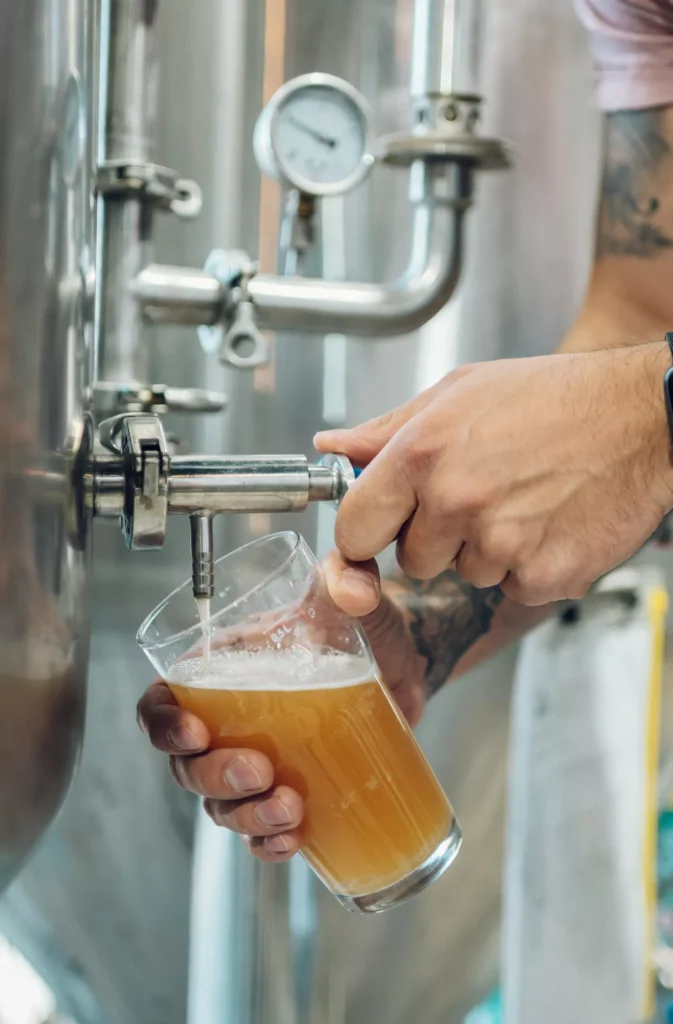
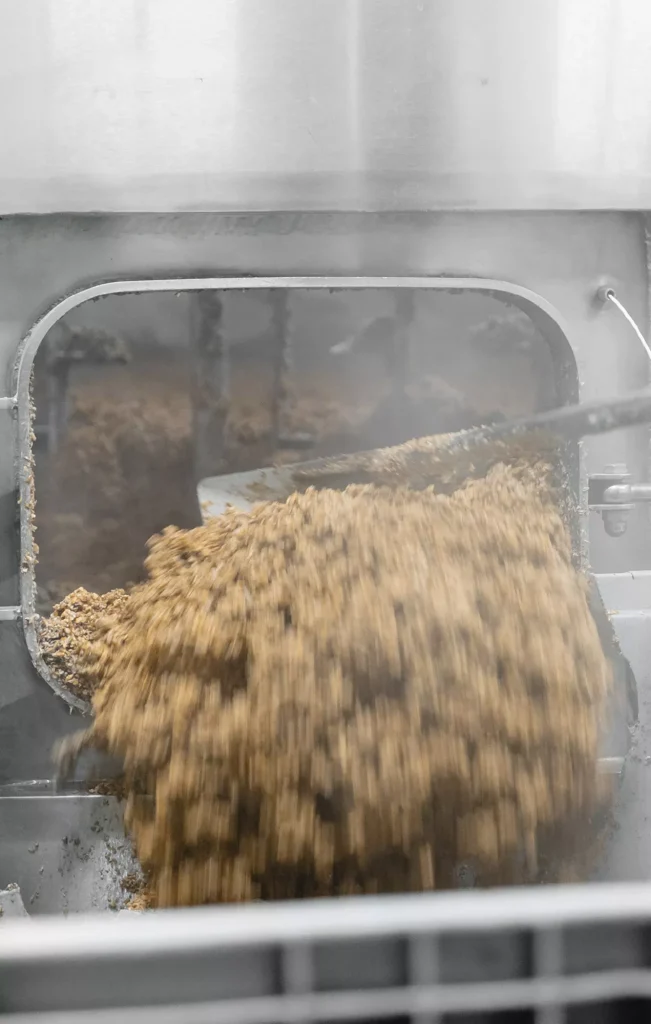
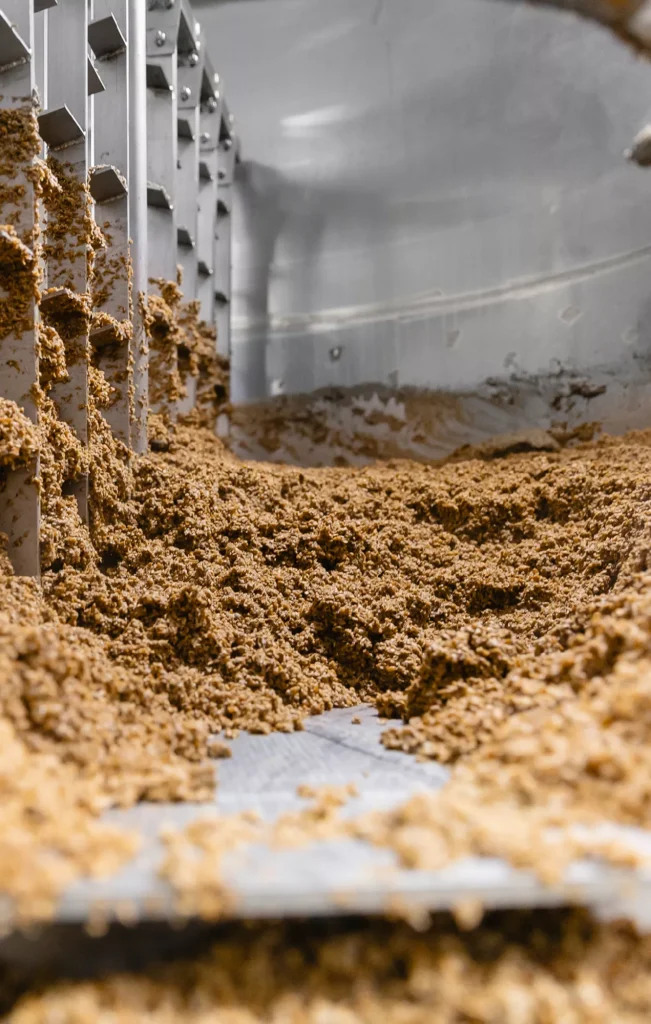
Brewery spent grains are the solid residues from brewing barley or other cereals during beer production. Rich in fiber, protein and minerals, they represent nearly 85% of the co-products generated by a brewery.
OBJECTIVES
STRUCTURING AND DEVELOPING THE FOOD VALORIZATION OF SPENT GRAINS
The objective of this project is to study, structure and support the valorization of brewery spent grains in human food, based on local resources, research and innovation.
- Conduct a bibliographic study on the different valorization pathways for brewery spent grains.
- Propose specifications for the treatment of spent grains, whether fresh or dried.
- Develop innovative food products based on spent grains, in partnership with local processors and ENSAIA students.
WHY VALORIZE SPENT GRAINS
An interesting nutritional profile
Spent grains contain between 20 and 30% protein depending on manufacturing processes. They are also rich in fiber and bioactive compounds (polyphenols, B vitamins).
A co-product available in large quantities
Each brew generates several dozen kilos of spent grains. Their food valorization allows to:
- reduce waste,
- decrease waste management costs,
- strengthen brewery sustainability.
An alternative for food industries
Spent grains can partially replace:
- flour in baked products,
- certain functional dietary fibers,
- certain plant protein sources.
SURVEY ON THE VALORIZATION OF SPENT GRAINS
ARE YOU A BREWER?
Contribute to our survey aimed at identifying available spent grain deposits in the Greater Region.
SURVEY ON THE TRANSFORMATION OF SPENT GRAINS INTO FOOD
ARE YOU A PROCESSOR?
Participate in our survey on the inventory of spent grain transformations for human consumption in the Greater Region.
THE MANAGEMENT AND TRANSFORMATION STAGES
Collection and stabilization
When fresh, spent grains contain up to 80% water and must be stabilized quickly to avoid any fermentation.
Commonly used techniques:
- partial or complete dehydration,
- low-temperature drying,
- extrusion,
- lactic fermentation.
Drying and reduction to flour
Once dried, spent grains are ground to obtain a spent grain flour, rich in fiber and easily incorporated into many food formulations.
Formulation in food products
Flour or spent grain granules can be integrated into:
- breads, biscuits, crackers,
- pasta,
- protein bars,
- meat substitutes,
- nutritional beverages.
Incorporation rates must be controlled to ensure a balanced texture and flavor.
AN ASSET FOR THE CIRCULAR ECONOMY
Valorizing spent grains means:
- limiting organic waste from breweries
- creating new opportunities for artisans, bakers and processors
- encouraging the emergence of new recipes and uses
- reducing the carbon footprint through the reuse of a local co-product
- meeting the growing demand for sustainable and natural products