HOPS
Facing climate challenges and the relocation of brewing sectors, hops represent a strategic lever. This project explores innovative cultivation and processing methods, adapted to local realities.
CULTIVATION METHODOLOGY AND ANNUAL SUMMARY OF OBSERVATIONS
A common organic farming cultivation method will be defined to harmonize practices and provide shared analysis criteria. This methodology will be built in collaboration with growers and will be based on hop varieties already established by UL-ENSAIA and CRA-W.
In 2026, plants will be installed at three pilot sites as well as at three breweries:
- one in Wallonia
- one in France
- one in Luxembourg
The results obtained will be compared according to different terroirs, including the impacts related to climate change (weather conditions, yields, aromatic quality).
An annual summary of observations will be produced, as well as a comprehensive analysis at the end of the project, in order to draw technical and agronomic lessons useful to the entire sector.
HARVESTING AND DRYING TOOLS
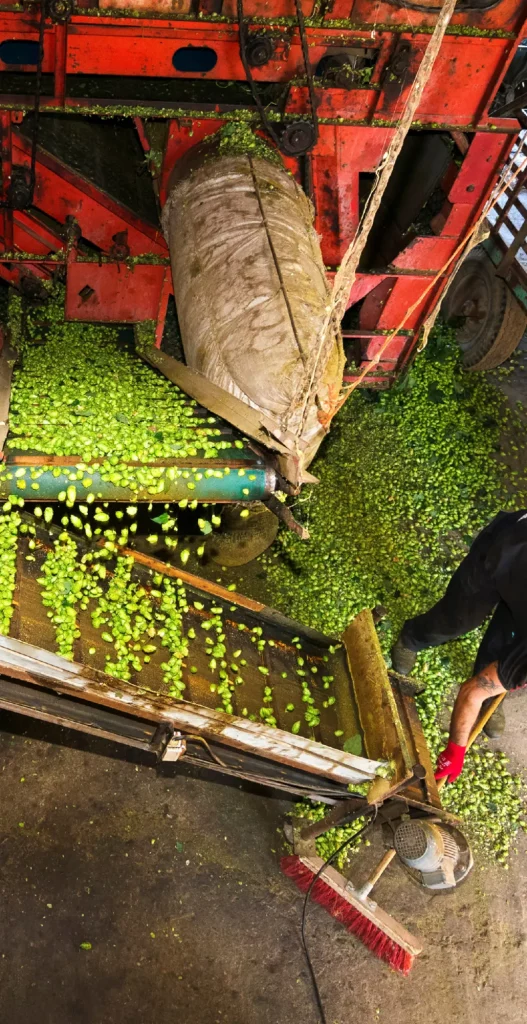
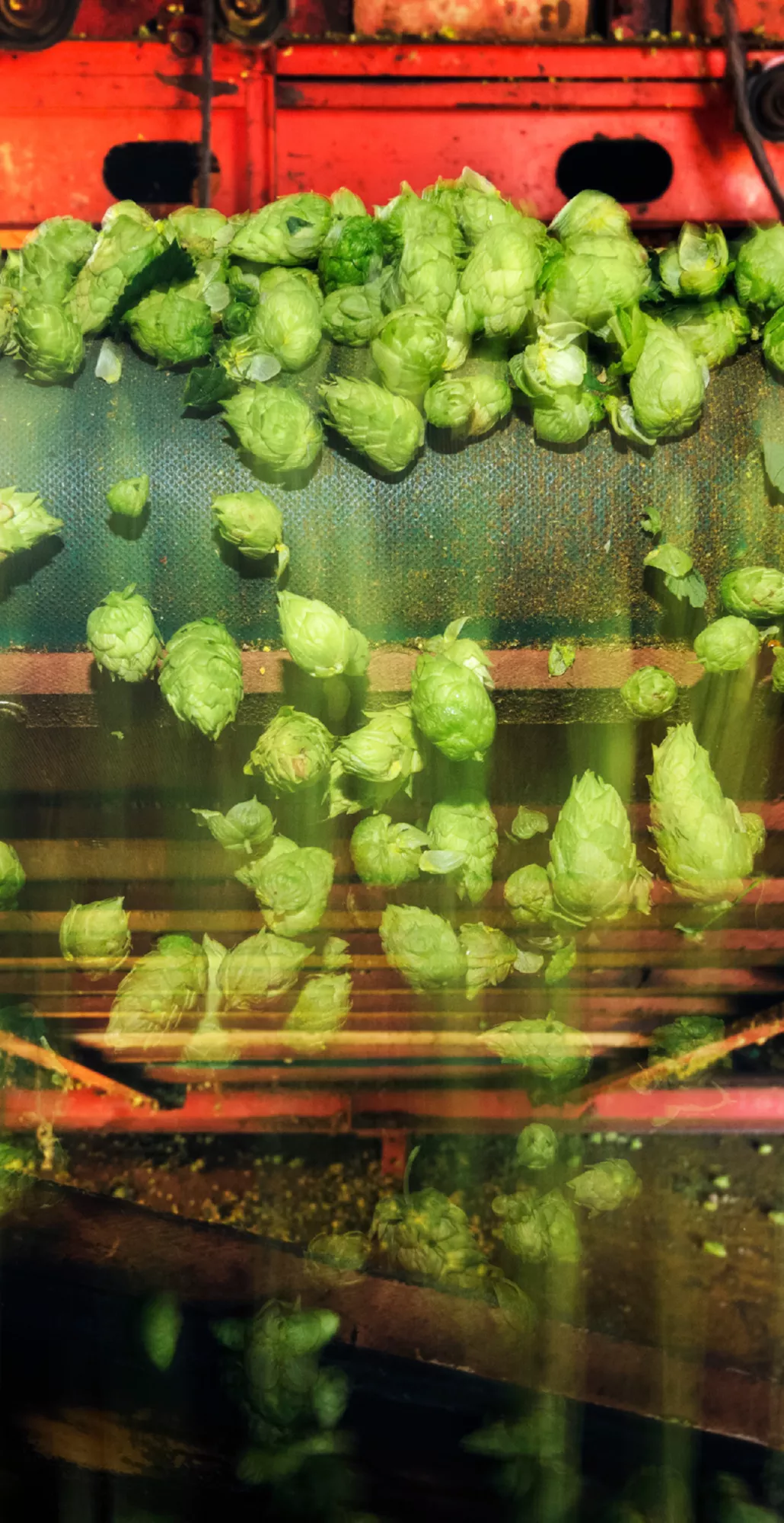
A benchmark of existing tools and equipment will be conducted to identify innovative hop harvesting and drying solutions, potentially adaptable to the Greater Region context.
Based on this analysis, a practical guide will be designed to support producers in building their own harvesting and drying tools. This guide will take the form of simple, concrete and accessible fact sheets, specifically designed for:
- small-scale growers
- new hop farmers
Field visits may complement this system to illustrate the solutions implemented and encourage the sharing of experiences.
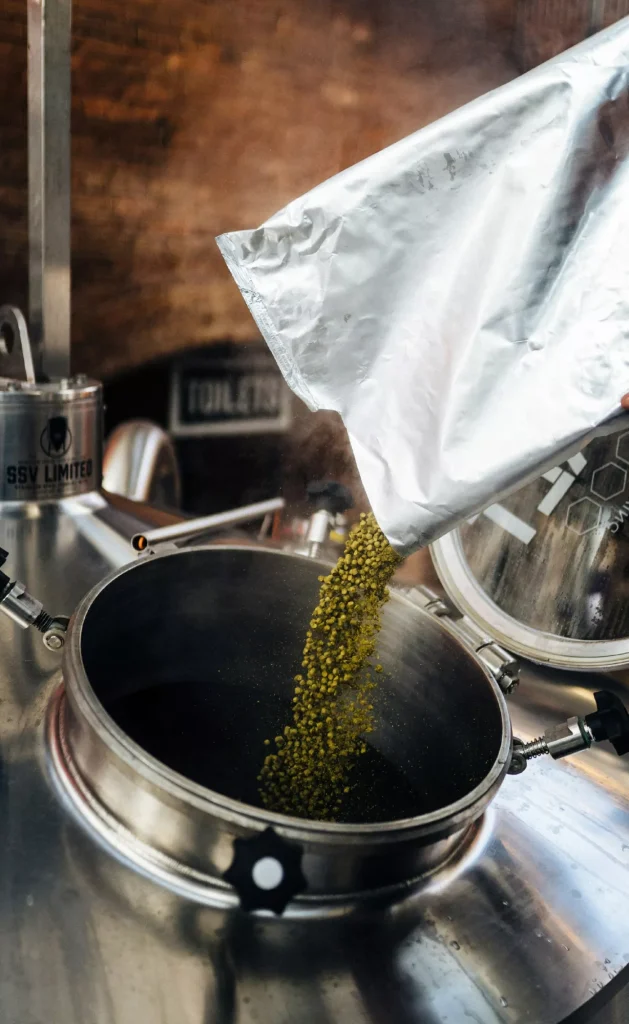
Furthermore, as most brewers use hops in pellet form, a feasibility study will be conducted to assess the relevance of establishing a local mobile pelletizing unit, adapted to the territory’s needs.